
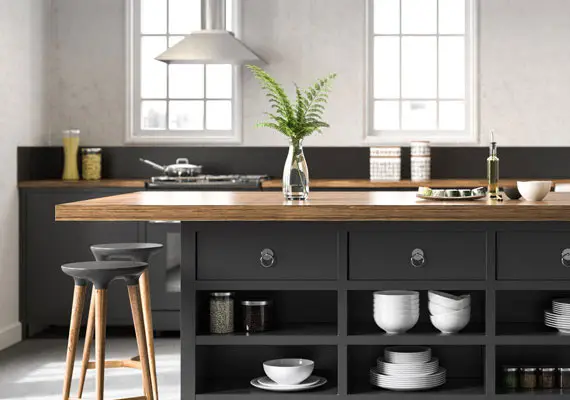

A home renovation is a chance to make a house truly yours. Done well, it can fix long-standing problems, cut your energy bills, add value and give you rooms that fit the way you live today. Done badly, it can drag on for months, run over budget and leave you living in dust far longer than planned.
The difference usually comes down to planning. As renovation builders in Buckinghamshire, we follow a clear process on every project, from a single kitchen renovation to a full house refurbishment. Here are the eight steps we recommend.
Table of Contents
1. Get the House Surveyed Before You Plan the Home Renovation
It is tempting to start with kitchen brochures and paint charts, but the most important part of any home renovation is understanding the building you are working with. A good survey, or a walk-round with an experienced builder, should look at:
- Roof and gutters: slipped tiles, worn flashing and blocked gutters are common causes of damp.
- Damp and ventilation: especially in older and period homes, where the wrong materials can trap moisture.
- Electrics: older wiring may need a partial or full rewire before new kitchens and bathrooms go in.
- Plumbing and heating: the age and condition of the boiler, pipework and radiators.
- Structure: cracks, sagging floors, failed lintels or past alterations that were never signed off.
If your home was built before 2000, ask about asbestos. Materials such as old textured ceilings, floor tiles and pipe lagging may contain it, and they must be surveyed and handled correctly before work disturbs them.
2. Set Clear Priorities
Very few people can do everything at once, so decide what matters most. We usually suggest this order of priority:
- Make the building sound, dry and safe
- Upgrade the hidden systems: electrics, plumbing, heating and insulation
- Change the layout, for example knocking through or moving the kitchen
- Install kitchens, bathrooms and joinery
- Finish with flooring, decoration and furnishings
This approach avoids the painful mistake of fitting a beautiful new kitchen and then having to lift the floor to replace the pipes underneath.

3. Build a Realistic Budget
Home renovation costs vary widely depending on the size of the house, its condition and the level of finish you want. A light refresh of decoration and flooring costs far less than a full house renovation with a rewire, new heating and new kitchen and bathrooms.
Get a detailed, itemised quote and keep a contingency of at least 10 to 15 percent. Older and period properties often reveal surprises once walls and floors are opened up, so a larger contingency is sensible for a period property renovation.
4. Check Permissions and Regulations
Most internal home improvement work does not need planning permission, but several parts of a renovation are controlled by building regulations. These include removing or altering load-bearing walls, new or altered electrical circuits, new heating systems, replacement windows and many bathroom installations. The GOV.UK building regulations guidance explains when approval is needed.
Some work can be self-certified by tradespeople registered with a competent person scheme, such as qualified electricians and Gas Safe registered engineers. If your home is listed, you will also need listed building consent for many internal and external changes, and if it is in a conservation area, some external work may need planning permission.
5. Plan the Order of Works
A successful home renovation follows a logical sequence. Getting it wrong leads to trades returning to undo finished work. A typical order looks like this:
- Strip out and any demolition
- Structural work, such as steel beams and new openings
- First fix: pipes, cables and back boxes inside walls and floors
- Plastering and screeding
- Second fix: sockets, switches, radiators and sanitaryware
- Kitchen and bathroom fitting
- Joinery, decoration and flooring
Good renovation project management keeps each trade arriving at the right time, with materials ready, so the job keeps moving.
6. Improve Energy Efficiency While the House Is Open
A renovation is the ideal moment to upgrade insulation and heating, because floors and walls are already exposed. Loft insulation, insulated floors, better windows, draught-proofing and a modern heating system can make the house more comfortable and cheaper to run. For period homes, use breathable materials that suit the original construction.
7. Decide Whether You Will Stay or Move Out
Living at home during a small kitchen renovation or bathroom renovation is usually manageable. For a full house refurbishment with a rewire and new heating, moving out for part of the work can save time and stress. If you stay, agree a plan with your builder for a working bathroom, a temporary kitchen and dust protection for the rooms you are using.

8. Choose One Builder to Manage the Whole Project
Coordinating separate trades yourself can save a little money on paper, but it often costs more in delays and mistakes. A main contractor who manages the whole home renovation takes responsibility for scheduling, quality and safety, and gives you one point of contact.
When choosing a builder, ask to see similar completed work, speak to past clients, and check insurance and trade registrations. Insist on a written contract, a programme of works and a payment schedule linked to completed stages.
At Bramvex we manage renovations from the initial survey to the final coat of paint. If your plans include adding space, our house extension planning tips are a useful next read, and you can see our full range of work on the services page.
Talk to Us About Your Home Renovation
Whether you are planning a home renovation in Marlow, a kitchen renovation or a complete refurbishment of a period property, we would be happy to visit and give you honest, practical advice. Contact Bramvex for a free quote, or call 07770 553341.